Mike’s 100 Venture Capital Greatest Hits
A sharper map for learning venture investing — books, essays, memos, letters, and company stories selected to build judgment, not just reading volume.

You asked for it. This is my venture reading list — the books, essays, letters, memos, and company stories I keep returning to, organized as a practical learning path rather than a “best-of” pile.
Interested in Seeing Curated Venture Deals?
The Starter Dozen forms the operating system around it: habits, focus, money psychology, decision quality, power, and the long game. The other ninety build the rest.
100
entries
6
core chapters
12
must-reads
30
years of investor practice
This is not a finishing list. The goal is not to check off 100 titles. The goal is to think more clearly about founders, markets, timing, incentives, and risk. Read what interests you. Pair what you read with a live deal. Argue with the author. Then bring the lesson back to the next meeting.
THE CANON: AT A GLANCE
Six Chapters That Build Investor Judgment, Layer by Layer
- Home
Venture Fundamentals
The base layer. Disruption, lean, ops, and the modern startup vocabulary - Home
Founder Craft & VC Mechanics
How founders build day-to-day and how venture actually works - Home
Stories, Strategy, & Markets
Company stories that teach taste, timing, and competitive advantage - Home
Scaling, Culture, & Judgment
The messy middle — leadership, ethics, and judgment under uncertainty - Home
Memos, Models, & Operating Systems
Primary-source documents that reveal how great operators actually thought - Home
Platforms, Ecosystems, & Future Shifts
How technology waves and culture shifts reshape markets
"The goal is not to finish the list. The goal is to think more clearly about founders, markets, timing, incentives, and risk."
The Starter Dozen
If you only read twelve, read these. Eight are widely shared canon and four are personal must-reads. Together they give you a working vocabulary for founder quality, market timing, operating discipline, investor behavior, and decisions under uncertainty.
Unconventional Additions
These won’t appear on most venture lists, but each shaped how I think. They cover the parts of investing that don’t get written about in venture textbooks — personal compounding, money psychology, loyalty and power, the long game.
Chapter 1
Venture Fundamentals
The base layer of investor judgment — disruption, lean methods, product adoption, operations, and the works that built the modern startup vocabulary.
"The classics matter because the patterns keep repeating under new technology labels."

1. The Innovator’s Dilemma
Clayton M. Christensen | 1997
Why excellent companies still miss disruptive innovation.

2. The Lean Startup
Eric Ries | 2011
Build-measure-learn, MVPs, and fast feedback as an operating system

3. Zero to One
Peter Thiel, with Blake Masters | 2014
Contrarian thinking, monopolies, and creating new value

4. Crossing the Chasm
Geoffrey A. Moore | 1991
Moving from early adopters to mainstream buyers
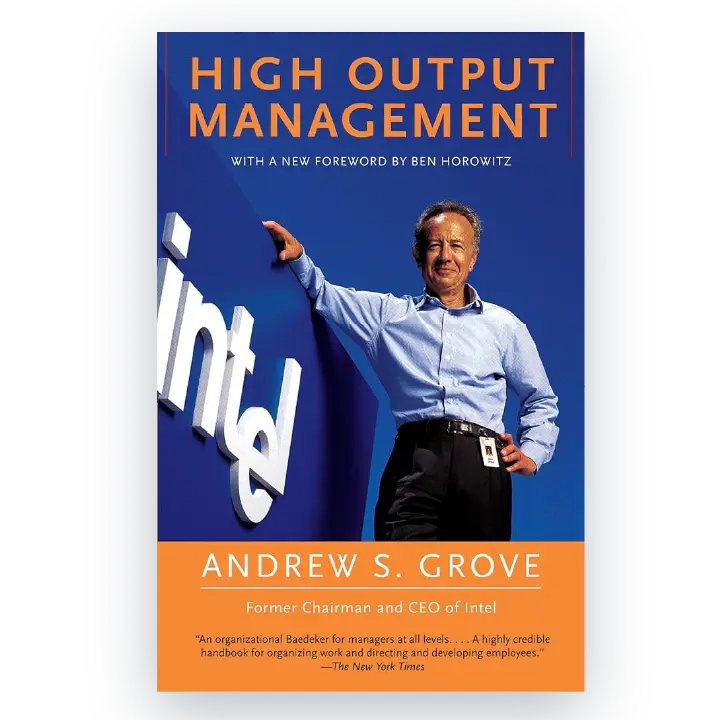
5. High Output Management
Andrew S. Grove | 1983
A practical manual on leverage, meetings, and team output

6. Good to Great
Jim Collins | 2001
Disciplined people, disciplined thought, and the flywheel

7. Why Software Is Eating the World
Marc Andreessen | 2011
The modern software thesis — software reshapes every industry

8. The Hard Thing About Hard Things
Ben Horowitz | 2014
A no-BS guide to wartime CEO leadership

9. Blue Ocean Strategy
Kim & Mauborgne | 2005
Creating new market space rather than fighting in crowded ones

10. Only the Paranoid Survive
Andrew S. Grove | 1996
Recognizing and surviving strategic inflection points
11. Do Things That Don’t Scale
Paul Graham | 2013
Early startups win by doing hard, manual, unscalable work
12. Startup Playbook
Sam Altman | 2015
Y Combinator’s core advice on ideas, products, growth, focus, and ambition
Chapter 2
Founder Craft & VC Mechanics
How founders build day-to-day and how venture actually works — funds, term sheets, and the incentives that shape behavior on both sides of the table
"Founder craft and deal mechanics are connected. Incentives shape behavior long before the term sheet"

13. The Only Thing That Matters
Marc Andreessen | 2007
Product-market fit as the central startup milestone

14. R.I.P. Good Times
Sequoia Capital | 2008
The classic downturn memo — preserve cash and reset

15. Coronavirus: The Black Swan of 2020
Sequoia Capital | 2020
How startups should respond when the environment changes.

16. Hackers & Painters
Paul Graham | 2004
Software builders as creative craftspeople.

17. The Four Steps to the Epiphany
Steve Blank | 2005
Customer development as the precursor to Lean Startup.
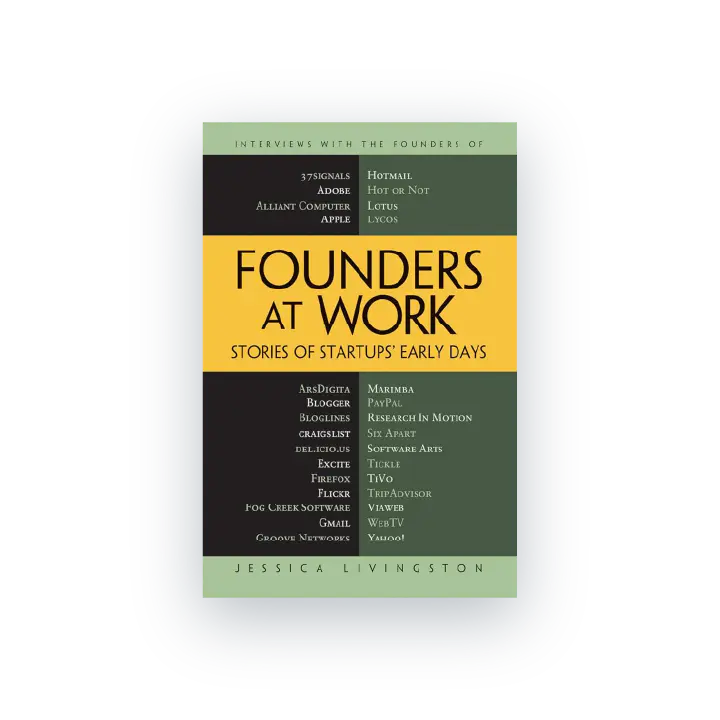
18. Founders at Work
Jessica Livingston | 2007
Candid origin stories from important startup founders.

19. Business Model Generation
Osterwalder & Pigneur | 2010
The Business Model Canvas — strategy made visual.

20. The Startup Owner’s Manual
Blank & Dorf | 2012
A field manual for customer development and lean execution.

12. The Mom Test
Rob Fitzpatrick | 2013
Customer conversations without false encouragement.
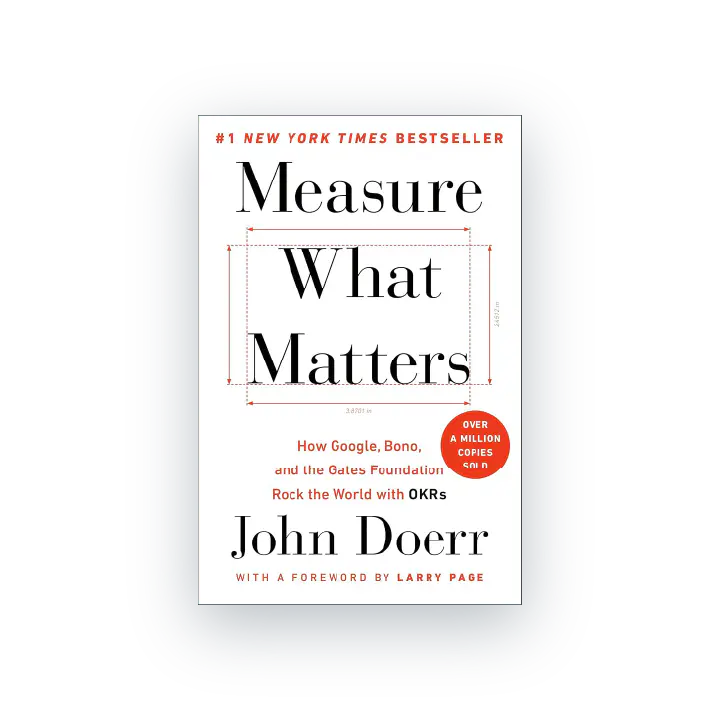
22. Measure What Matters
John Doerr | 2018
OKRs as a system for focus, alignment, and accountability.

23. Venture Deals
Feld & Mendelson | 2011
The plain-English guide to financings and term sheets.

24. Secrets of Sand Hill Road
Scott Kupor | 2019
How VC funds work and how VCs actually decide.
Chapter 3
Stories, Strategy & Markets
Strategy frameworks paired with the founder podcasts, commencement speeches, and field guides that show how taste and timing compound into edge.
"Company stories are not nostalgia. They are pattern-recognition training."

25. Masters of Scale
Reid Hoffman | 2017 – present
Scaling lessons from legendary founders, organized as testable hypotheses.

26. How I Built This
Guy Raz | 2016 – present
Founder journeys told through pivots, setbacks, and persistence.

27. All In
Chamath, Calacanis, Sacks, Friedberg | 2020–present
A live-wire look at how VCs debate markets, tech, and power.

28. Rework
Fried & Heinemeier Hansson | 2010
The case for simpler, calmer, more profitable company building.

29. Creativity, Inc.
Ed Catmull | 2014
How Pixar built a creative culture around candor and iteration.
30. Start With Why
Simon Sinek | 2009
Purpose-led storytelling as a way to rally teams and markets.

31. Stanford Commencement Address
Steve Jobs | 2005
A founder classic on passion, failure, mortality, and resilience.

32. How to Win Friends & Influence People
Dale Carnegie | 1936
Timeless skills for sales, leadership, and networking.

33. Think and Grow Rich
Napoleon Hill | 1937
A dated but influential entrepreneurial mindset text.

34. Blitzscaling
Hoffman & Yeh | 2018
When speed and dominance matter more than efficiency.

35. The Art of the Start
Guy Kawasaki | 2004
A practical launch guide, including the 10/20/30 pitch rule.

36. The Tipping Point
Malcolm Gladwell | 2000
How small triggers produce large adoption curves.
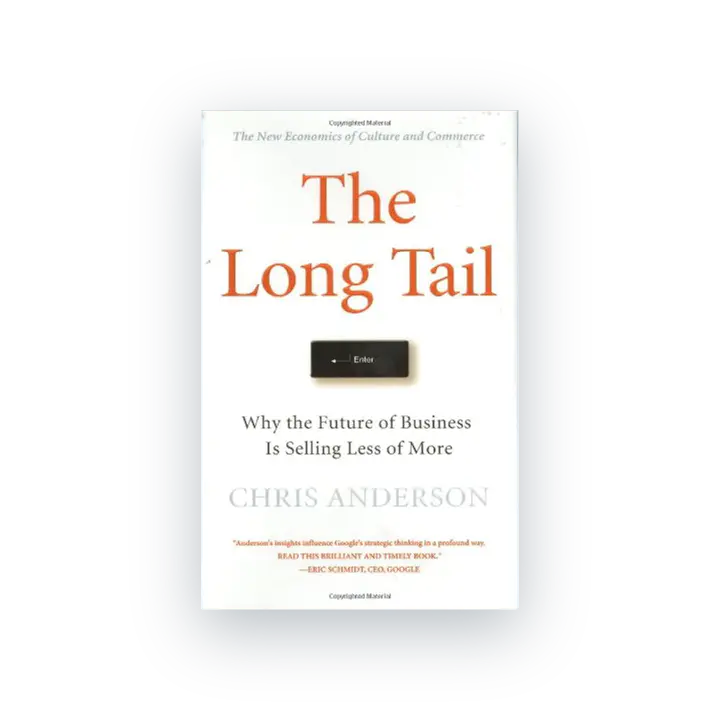
37. The Long Tail
Chris Anderson | 2004/2006
Internet distribution makes niche markets economically meaningful.

38. The 4-Hour Workweek
Timothy Ferriss | 2007
Automation, outsourcing, and lifestyle design as leverage.